Table of Contents
ToggleNew Mexico’s deserts, mountains, and distinctive architectural heritage have attracted a growing wave of tiny home buyers seeking affordability, sustainability, and authentic Southwestern living. From the artistic enclaves of Santa Fe to the urban energy of Albuquerque, the state offers diverse communities where tiny homes fit naturally into the landscape and culture. Whether you’re downsizing from a sprawling mansion, seeking a retirement escape, or building a sustainable weekend retreat, understanding the New Mexico tiny home market, complete with regional quirks, financing options, and zoning realities, will set you up for success in 2026.
Key Takeaways
- New Mexico offers affordable tiny homes for sale with land costs 50–75% lower than neighboring states, making it an ideal destination for buyers seeking sustainability and authentic Southwestern living.
- Santa Fe and northern regions command premium prices ($80,000–$200,000+ per acre) with cultural appeal, while Albuquerque and Las Cruces provide budget-friendly alternatives with 20–30% lower construction costs and more flexible zoning.
- Verify zoning compliance, water rights, and site orientation for solar potential before purchasing—New Mexico’s complex permitting landscape and arid climate demand thorough local due diligence.
- FHA and VA loans support tiny home purchases, but modular and factory-built structures secure financing more easily; explore credit unions and community banks for flexible terms on smaller loan amounts.
- Plan for $2,000–$5,000 in permitting and inspection costs, plus 2–10% additional budget for closing and post-purchase modifications, and connect with local tiny home communities for practical resale insights.
Why New Mexico Is Becoming a Tiny Home Destination
New Mexico attracts tiny home buyers for reasons that go beyond trendy minimalism. The state’s lower cost of living, particularly compared to California and Colorado, makes land and construction more affordable. A tiny home lot in rural New Mexico might run $25,000–$60,000, while similar acreage in urban sprawl regions costs double or triple that figure.
The state’s permitting landscape, while varying by county and municipality, has become more receptive to alternative housing. Many rural counties view tiny homes as a practical solution to housing shortages and sprawl. Also, New Mexico’s abundant sunshine, averaging 310 days per year, makes solar power integration realistic and cost-effective for off-grid tiny home living.
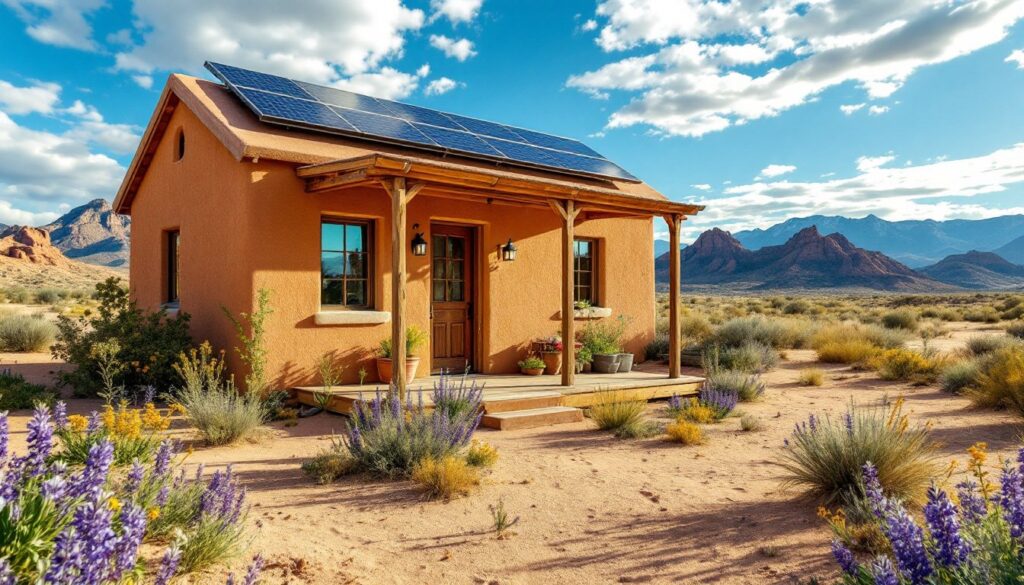
Architecturally, tiny homes align well with traditional Pueblo Revival and territorial styles that define the region. A 400-square-foot adobe-inspired dwelling doesn’t look out of place: it feels authentic. This cultural fit makes financing and resale potential stronger than in regions where tiny homes appear foreign to the landscape.
When exploring options in New Mexico, reviewing tiny homes for sale new mexico can clarify how the market compares to neighboring states. The state’s tax incentives for renewable energy installations also benefit tiny home owners planning solar systems.
Top Regions and Communities for Tiny Homes in New Mexico
Santa Fe and Northern New Mexico
Santa Fe represents the premium end of the New Mexico tiny home market. Artists, retirees, and remote workers converge here, supporting a robust inventory of small, characterful properties. Land prices run higher, $80,000–$200,000+ per acre, but architectural authenticity and walkability are guaranteed. Espanola, Taos, and smaller mountain towns north of Santa Fe offer slightly lower land costs while maintaining artistic communities and outdoor recreation access.
Zoning in Santa Fe proper is restrictive: tiny home purchases here typically involve existing structures rather than new builds on vacant land. But, properties just outside city limits, especially in the foothills, offer more flexibility for alternative housing designs.
Albuquerque and Central Areas
Albuquerque’s metro area, home to over 900,000 residents, offers more inventory and negotiating room than northern markets. Neighborhoods like Old Town, Nob Hill, and the Bosque have attracting tiny home buyers with established walkability and community infrastructure. Land costs average $40,000–$100,000 per acre, with ready access to schools, hospitals, and employment.
Central New Mexico communities like Las Cruces and Rio Rancho present even more affordable options, with land and construction costs 20–30% lower than Albuquerque proper. Zoning in these areas tends to be more accommodating to alternative housing, making new tiny home builds more feasible. The trade-off: fewer cultural amenities and longer distances to major job centers.
What to Look for When Buying a Tiny Home in New Mexico
Zoning compliance is your first checkpoint. Before falling in love with a property, verify that a tiny home is legally permitted on that lot. Some New Mexico counties define a minimum dwelling size (often 1,000–1,200 square feet), while others have moved to flexible, performance-based codes. Request the county’s land development code and speak directly to the planning department, don’t rely on a real estate listing’s vague “tiny-home friendly” label.
Verify water rights, which are precious and legally complex in arid New Mexico. A tiny home without adjudicated water rights or an active well isn’t viable. Request documentation of existing water allocations and check whether the property has groundwater via well, surface water from an acequia (irrigation ditch), or municipal supply. In rural areas, a failed well test can sink a deal.
Evaluate site orientation and solar potential. New Mexico’s high-desert climate means significant temperature swings between day and night. A south-facing property with passive solar gain and natural shade trees will perform vastly better than a north-facing lot. If you’re planning solar panels, your roof’s orientation and existing shading from trees or structures matter enormously.
Inspect the foundation and moisture barriers carefully. New Mexico’s low humidity and intense sun are forgiving in some ways, but expansive clay soils in certain areas and flash-flood-prone arroyos elsewhere demand thorough investigation. Have a local inspector familiar with New Mexico’s geology review the property before purchase.
Check local covenants and HOA restrictions, particularly in planned communities. Some HOAs prohibit off-grid systems, visible solar panels, or exterior colors outside a narrow palette. If you value energy independence or aesthetic freedom, verify these rules upfront.
For those considering remote tiny home living, internet connectivity is critical. Rural New Mexico has spotty broadband in many areas. Request fiber or fixed-wireless speeds from the local provider before committing: satellite internet continues improving but still carries latency issues for video calls.
Financing and Legal Considerations for Tiny Home Purchases
Financing a tiny home in New Mexico mirrors conventional mortgage underwriting with a few quirks. FHA and VA loans apply to tiny homes on permanent foundations but require the structure to meet minimum square footage, typically 400–500 square feet depending on the lender. Modular and factory-built tiny homes (rather than custom-built structures) often have easier loan approval because lenders recognize their standardization and factory quality control.
Smaller loans ($100,000–$200,000) can sometimes be harder to place than million-dollar mortgages: some lenders maintain minimum loan balances. Contact credit unions and community banks first, they’re often more flexible with unconventional properties than national giants.
Off-grid or alternative energy systems require separate financing conversations. Standard mortgages don’t fund solar installations: you’ll need a separate HELOC, personal loan, or solar-specific financing. Some utility companies and state incentives help offset costs, so investigate New Mexico’s renewable energy tax credits before purchase.
Title and deed issues deserve scrutiny in New Mexico. Old properties sometimes carry ancient Spanish or Mexican land grants with complex ownership histories. Run a full title search and ensure clear, insurable title before signing. Historic properties in Santa Fe or Taos may have easements or preservation requirements that restrict future modifications, a significant constraint if you plan extensive renovations.
Permitting for off-grid systems varies wildly by jurisdiction. Some counties require septic system permits, electrical inspections for solar, and well-drilling permits, while others are hands-off. Budget $2,000–$5,000 for permitting and inspections if you’re building new or significantly modifying an existing structure. Check the specific county and municipal requirements for your target property.
For detailed guidance on tiny home financing, consulting a mortgage broker experienced in alternative housing can clarify loan options and ensure you’re not blindsided by lender-specific size or construction-type restrictions.
How to Start Your New Mexico Tiny Home Search
Begin by narrowing your geographic preference. Are you drawn to northern mountains (Santa Fe, Taos) or central plains (Albuquerque, Las Cruces)? Each region has different climate, water availability, and community dynamics. Spend time in your target area during different seasons, summer heat and winter cold feel very different in New Mexico.
Use MLS listings filtered by square footage and lot size, but don’t stop there. Regional real estate agents who specialize in tiny homes or alternative housing will have off-market properties and deeper zoning knowledge. Ask directly: “Do you work with tiny home buyers?” and request referrals to agents with relevant experience.
Online resources like Curbed and Apartment Therapy showcase New Mexico tiny home projects and design trends that might inspire your search parameters. Similarly, HGTV features episodes on Southwestern tiny homes and renovation strategies.
Attend county planning meetings and community forums if you’re buying in or near a town. These gatherings reveal local sentiment around tiny homes, upcoming zoning changes, and infrastructure projects. A sympathetic planning department is invaluable: a hostile one will make permitting and resale difficult.
Connect with local tiny home communities and meet owners. Facebook groups, meetups, and builder associations will give you candid feedback on neighborhood dynamics, resale reality, and common pitfalls. Many tiny home owners in New Mexico are social and keen to share hard-won wisdom.
Finally, budget conservatively for closing costs and post-purchase permitting. Expect 2–5% of the purchase price for closing, plus another $2,000–$10,000 if you plan any modifications. New Mexico’s closing timelines can stretch longer than national averages, particularly for rural or off-grid properties requiring additional due diligence.
Your New Mexico Tiny Home Awaits
Buying a tiny home in New Mexico requires assignments on zoning, water rights, financing, and local culture, but the payoff is tangible. You’re not just purchasing square footage: you’re claiming a lifestyle aligned with the region’s values of sustainability, community, and authentic living. Take time to visit neighborhoods, talk to residents, and verify legal details before committing. The tiny home movement in New Mexico isn’t a fad: it’s a practical response to real housing challenges and genuine desire for intentional living.