Table of Contents
ToggleUsed tiny homes offer a practical path to affordable, sustainable living without the premium price tag of brand-new construction. Whether you’re downsizing, seeking financial freedom, or simply tired of maintaining large square footage, buying an existing tiny home can save thousands while letting someone else absorb the initial depreciation. But, purchasing a used tiny home requires different due diligence than a traditional house, you’ll need to inspect unique systems, understand financing quirks, and evaluate whether the home truly fits your lifestyle. This guide walks you through what to look for, where to find them, and how to make a smart investment in 2026.
Key Takeaways
- Used tiny homes cost $30,000 to $80,000—significantly less than new builds—because previous owners absorb the steepest depreciation hit, making them a smart investment for affordable living.
- A professional inspection ($300–$500) is non-negotiable for used tiny homes; focus on foundation integrity, water damage, and mechanical systems like plumbing, electrical, and HVAC since failures are more disruptive in tight spaces.
- Verify zoning permits and land arrangements before purchasing; many jurisdictions restrict or prohibit tiny homes, and deed-restricted communities may require variance approval.
- Prioritize structural repairs and system fixes from the inspection before cosmetic upgrades; address plumbing, electrical, and HVAC issues with licensed professionals, especially on trailer-based homes.
- Source used tiny homes through dedicated platforms like Tiny Home Listings and Facebook Marketplace, but always visit in person to evaluate floor plan logic, headroom, and whether the layout truly fits your lifestyle.
- High-impact cosmetic upgrades—fresh paint, storage customization, and multifunctional furniture—maximize comfort in used tiny homes without consuming your entire renovation budget.
Why Used Tiny Homes Are a Smart Investment
Used tiny homes have become increasingly popular as alternatives to traditional real estate. First, the cost barrier is significantly lower, a used tiny home might run $30,000 to $80,000 depending on condition and location, while new builds start around $60,000 and climb quickly. You’re also buying a proven design: newer homeowners can see exactly how the floor plan functions and what systems the builder chose, eliminating guesswork.
Second, depreciation works in your favor. Tiny homes depreciate like RVs in their first few years, which means used models have already taken the steepest hit. The owner before you absorbed that loss, so you’re buying closer to true market value. Third, many used tiny homes come with established land, whether on a foundation, a rented lot, or ready for placement, which removes one major hurdle new buyers face.
Financing is another angle. While traditional mortgages for tiny homes remain tricky, used homes already on the market have often navigated that problem, and some buyers find personal loans or cash purchases more practical. If you’re exploring financing options, understanding your strategy upfront matters, Tiny Home Financing: Unlock covers the landscape in detail.
What to Inspect Before Purchasing a Used Tiny Home
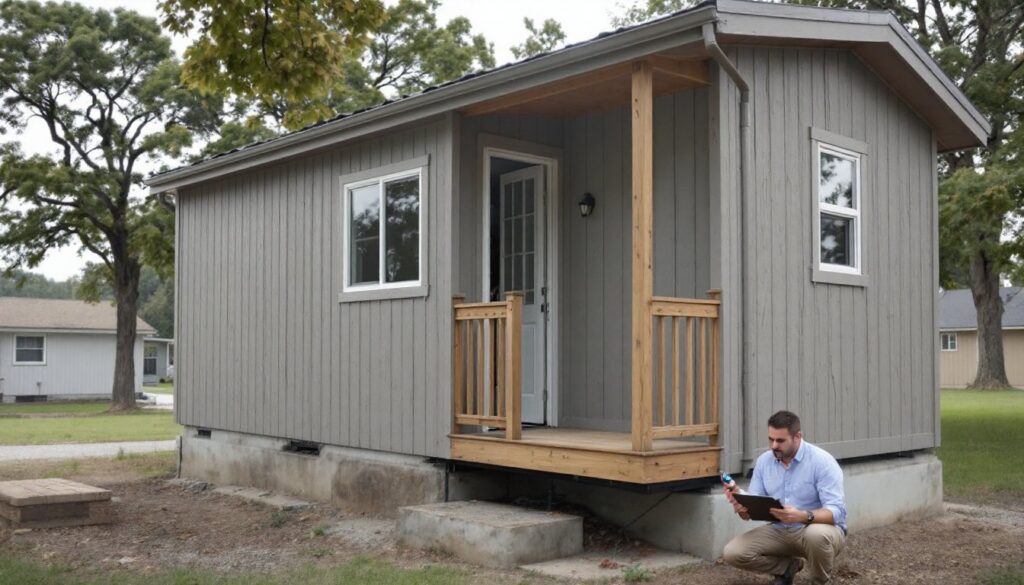
A pre-purchase inspection is non-negotiable for used tiny homes. Unlike traditional houses, tiny homes are often built on trailers or portable foundations, meaning structural and mechanical wear can accumulate faster. Budget $300–$500 for a professional inspector familiar with tiny homes, not all general contractors have that expertise.
Structural Integrity and Foundation Concerns
Start with the frame and foundation. If the tiny home sits on a trailer chassis, check for rust, cracks in the welds, and tire condition (yes, tires matter). Inspect the undercarriage thoroughly, moisture and corrosion underneath are expensive surprises. For homes on foundations, look for settling cracks, water stains, or signs of shifting. Pull out a moisture meter and test subfloors, particularly around the kitchen and bathrooms where leaks hide.
Check all walls, seams, and roofing for water damage or soft spots. Tap the walls and check for spongy sections. Look at the roof from multiple angles: missing or deteriorating shingles, gaps at roof penetrations (vent pipes, seams), and gutter damage allow water into the structure. Ice dams and pooling water are costly problems in any home but tighter quarters make repairs harder in tiny homes.
Systems and Appliances Evaluation
Tiny homes pack plumbing, electrical, HVAC, and water systems into tight spaces, so failures are more disruptive. Request service records for the septic tank or composting toilet if applicable. Test every faucet, drain, and water pressure point. Ask about water heater age and type (tankless units are common in tiny homes but need descaling). Check for slow drains, rust in fixtures, or low water pressure, signs of aging pipes.
Electrical systems in older tiny homes may have undersized panels or jury-rigged circuits. Hire a licensed electrician to inspect the main panel, grounding, and outlet safety (especially GFCIs in wet areas). Request an updated electrical permit if major work was done. Propane systems, if present, should be inspected by a certified propane technician for leaks, regulator function, and appliance venting.
Test the HVAC system in the season it will operate most, heating in winter, cooling in summer. Small spaces heat and cool quickly but also show inefficiency fast. Check ductwork for damage or disconnections. Inspect all appliances: refrigerator, stove, furnace, water heater, and washer/dryer if included. Ask for maintenance history, run cycles, and get ages. Replacing an HVAC unit or major appliance in a tiny home can eat a significant chunk of savings.
Finding and Evaluating Used Tiny Homes for Sale
Locating used tiny homes requires patience and diverse sourcing. Start with dedicated platforms: Tiny Home Listings, Facebook Marketplace, Craigslist, and builder-specific pages. Check local classifieds and real estate sites that allow filtering by square footage. Attend tiny home expos and connect with builder communities, word-of-mouth often unearths private sales.
When evaluating listings, red flags include vague descriptions, photos from only one angle, missing system information, and unclear land status. A seller who can’t produce inspection reports, maintenance records, or title documents is hiding something. Ask directly: Why are they selling? Has the home been moved multiple times? Are there any known issues?
Visit in person if possible and spend time inside. Walk through opening and closing cabinets, sit on furniture, check headroom, test plumbing, and run appliances. A 240-square-foot home that feels spacious to one person feels claustrophobic to another. Spend time evaluating floor plan logic, is the bedroom accessible without passing through the kitchen? Does the bathroom door swing into the living space? These seemingly small quirks affect daily life significantly.
Understand land arrangements. Is the home on a foundation you own, a rented lot, or portable on a trailer? Land access, zoning compliance, and future mobility all depend on this. Verify zoning permits if you’re placing the home on your own property, many jurisdictions restrict tiny homes or require variance approval. Check local codes through your county assessor or planning department. Properties in deed-restricted communities may prohibit tiny homes entirely.
Renovation and Customization Ideas for Used Tiny Homes
Once you own a used tiny home, thoughtful upgrades maximize comfort without eating your entire renovation budget. Before diving into cosmetics, address any structural or system repairs found during inspection, that’s non-negotiable.
For cosmetic work, prioritize high-impact updates. Fresh paint (interior and exterior) is inexpensive and transforms perception immediately. Choose light colors inside to amplify the sense of space. Replace cabinet hardware, outdated fixtures, and worn countertops, small changes register disproportionately in tight spaces.
Storage customization pays dividends. Add shelving to dead wall space, install pull-out pantry racks, or use under-bed storage. Vertical thinking is essential: tall, narrow shelving replaces bulky furniture. If you’re tackling bigger projects, upgrading flooring from worn carpet to durable vinyl plank or polished concrete is practical and affordable.
Furniture choice matters more in tiny homes. Multifunctional pieces (ottomans with storage, murphy beds with desks) reduce clutter and create flexibility. Resources like design inspiration on Houzz showcase real tiny home renovations and help you visualize possibilities before committing. Similarly, small space decorating ideas on Apartment Therapy offer budget-friendly tweaks that maximize livability.
If the tiny home is on a trailer, avoid permanent structural changes that affect weight distribution or future transport. Removable upgrades, contact paper, peel-and-stick backsplash, removable wallpaper, preserve flexibility. For foundation-based homes, you have more freedom for permanent improvements like new built-ins or bathroom remodels.
Be realistic about DIY scope. Plumbing, electrical, and HVAC work in tiny homes are technical and cramped, mistakes cost more to fix in tight quarters. Permit-required work (electrical panels, structural modifications, septic upgrades) must be done by licensed professionals. Paint, flooring, fixtures, and decor are fair game for handy owners.
Conclusion
Buying a used tiny home is a smart path to affordable, sustainable living if you inspect thoroughly, understand zoning constraints, and have realistic expectations about systems and space. Take time evaluating foundation, structural integrity, and mechanical systems before committing. Find the right fit by sourcing broadly, visiting in person, and asking detailed questions. Once you own it, tackle repairs first, then customize thoughtfully to match your lifestyle. A well-chosen used tiny home offers real financial and lifestyle benefits, you just need to do the assignments upfront.